

woundbridge

Improving Advanced Wound Care Access

When patients require advanced wound care at home, delays in access can cause wounds to quickly worsen. Common yet preventable wounds, such as pressure injuries, can deteriorate rapidly when continuity of care breaks down. Even when appropriate care is identified, coverage limitations, transportation challenges, and administrative barriers can prevent treatment from reaching the patient in time.
Infrastructure_banner

Improving Advanced Wound Care Access

When patients require advanced wound care at home, delays in access can cause wounds to quickly worsen. Common yet preventable wounds, such as pressure injuries, can deteriorate rapidly when continuity of care breaks down. Even when appropriate care is identified, coverage limitations, transportation challenges, and administrative barriers can prevent treatment from reaching the patient in time.
wounds before amputation

Wounds Before Amputations

85% of Amputations are Preventable.

Since roughly 85 percent of lower limb amputations are preceded by a non-healing wound (Journal of Vascular Surgery), the wound is almost always the tipping point. What happens before that moment determines whether a limb is saved or lost.
Patients navigating a lack of insurance coverage face a far higher risk of limb loss, not because care does not exist, but because access breaks down at the moments that matter most.

Wounds Heal Best at Home

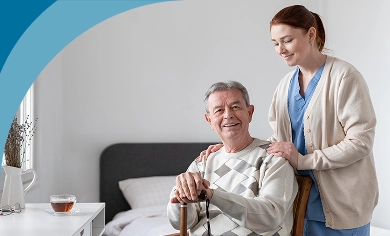
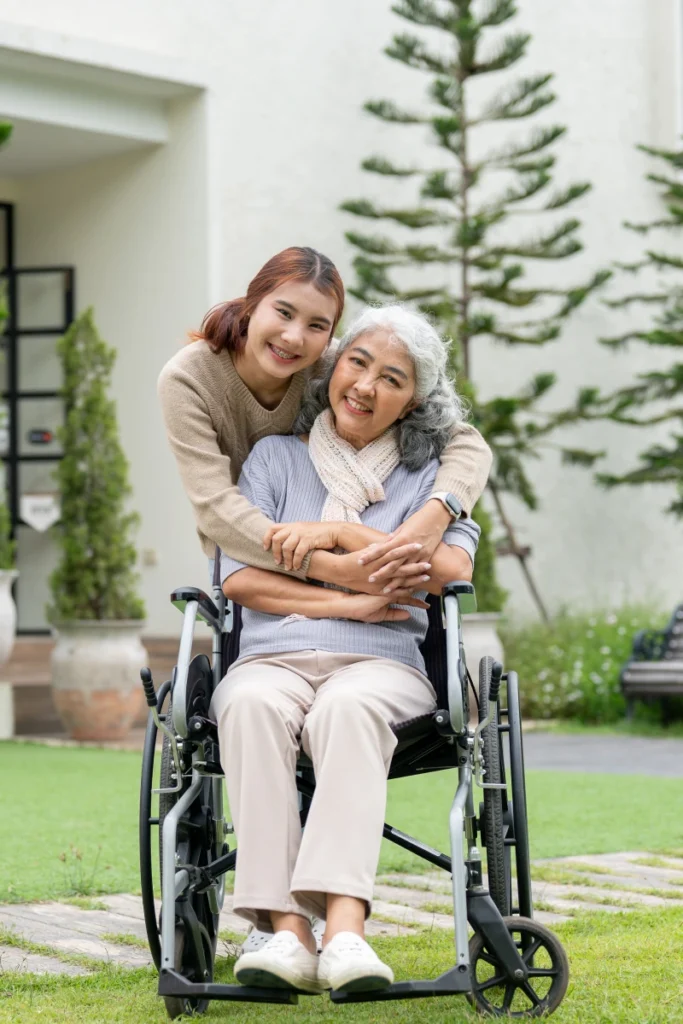
For many older adults, repeated trips to the doctor or hospital for wound care are exhausting and difficult to manage. When care cannot be delivered at home because of coverage or access barriers, treatment is often interrupted, and healing becomes harder to sustain.

The Solution

NYC Wound Bridge Inc. provides immediate access to care by coordinating mobile in-home advanced wound care for patients with serious wounds when coverage barriers leave them without options. We operate as a nonprofit organization dedicated to eliminating preventable amputations by fixing the access failures that medicine alone cannot solve.

Our work is threefold:

care_coordinating

1. Care Coordinating

When appropriate in-home wound care is identified, but access breaks down, we step in. Our team focuses on removing the logistical and administrative barriers that prevent in-home wound care from reaching the patient, including coverage limitations, transportation challenges, and referral delays.

Specialist Matching

2. Specialist Matching

We independently verify provider availability and clinical fit across a neutral network of licensed clinicians. Matching happens based on urgency and medical need, so patients get the right level of care at the right time.

Enabling In-Home Advanced Wound Care

3. Enabling In-Home Advanced Wound Care

We do not stop at coordination. We activate in-home care and carry the plan through. When coverage gaps block mobile wound care, NYC Wound Bridge Inc. can fund an episode of care based on proof of financial need so treatment can start without delay. Licensed wound care specialists provide advanced wound care in the home, including support for conditions such as pressure ulcers, diabetic foot ulcers, and venous leg ulcers.
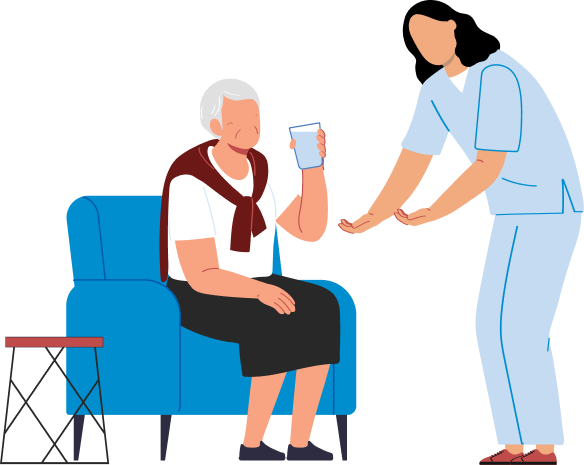
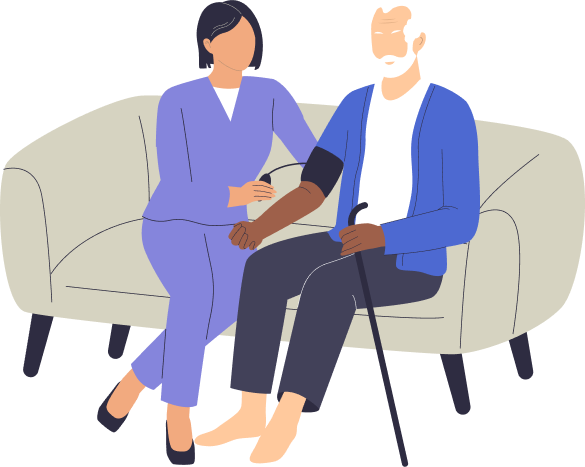
Who This System Serves

Who This System Serves

NYC Wound Bridge Inc. serves patients with serious wounds who face barriers that medicine alone cannot solve.

We focus on individuals navigating Medicaid, mobility limitations, and complex discharge pathways who are at high risk of preventable amputation due to missed appointments, delayed referrals, and broken transitions between hospital, facility, and home.

Our work supports patients, families, social workers, and care teams when the system does not move fast enough to protect limb and life.

Care Activation and Follow-Through: How It Works

The process stays simple because time matters.

A hospital or facility identifies a patient at risk during discharge planning. Our team assesses access gaps and financial need. We then coordinate access to specialist care and in-home treatment. Licensed wound care specialists deliver advanced treatment in the patient’s home, restoring continuity where it was lost.

Care does not pause while paperwork catches up. The transition stays intact.

Care Activation and Follow Through
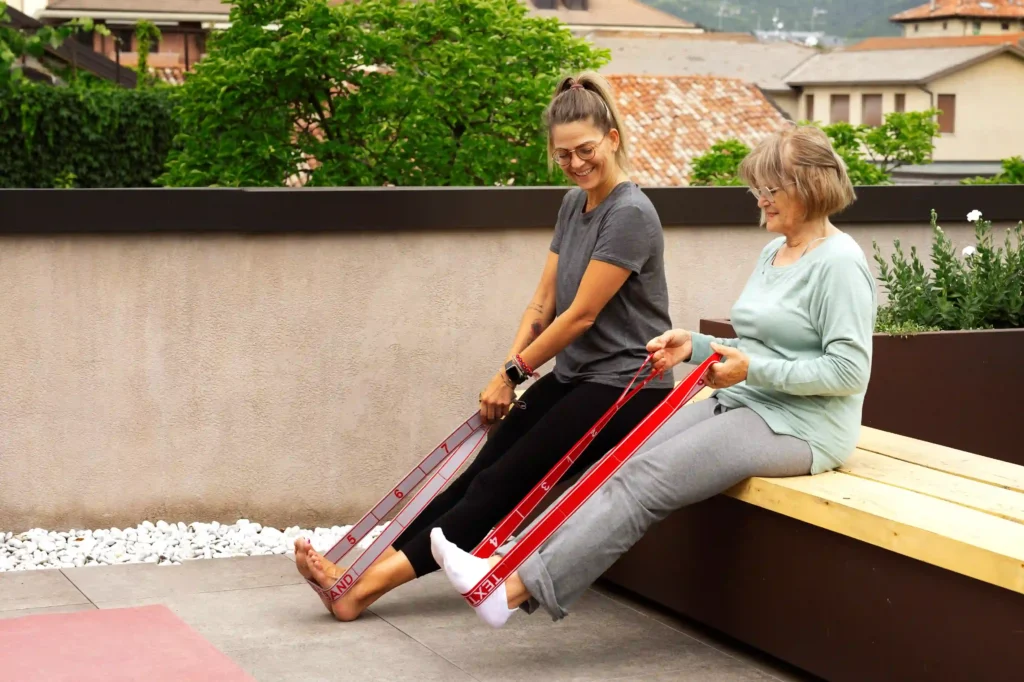
old woman doing fitness exercise

Eliminating Physical Barriers To Prevent Amputations

By addressing the practical and financial barriers that prevent patients from receiving wound care at home, we help ensure that treatment continues through the most vulnerable transition in care—from facility to home.

Frequently Asked Questions

What problem does NYC Wound Bridge Inc. solve?

Patients with serious wounds often lose access to care at the moment they need it most. Coverage gaps, transportation barriers, and referral delays interrupt treatment and turn manageable wounds into permanent harm. NYC Wound Bridge Inc. exists to keep care moving when the system breaks down.

Wounds deteriorate quickly when care is delayed. Missed visits and broken handoffs can quickly lead to infection, hospitalization, pressure injuries (bedsores), or limb loss. By focusing on access and continuity in wound care, our services help prevent outcomes that permanently change a person’s life.

Do you provide medical or clinical care?

NYC Wound Bridge Inc. does not deliver clinical treatment directly. Instead, we remove the barriers that keep patients from receiving advanced wound care by coordinating care, matching patients with available specialists, and activating in-home care when access would otherwise fail.

Traditional case management often stops at coordination. We carry the plan through. When referrals stall, coverage blocks care, or transportation challenges occur, we step in to ensure people receive the wound care they need at home.